E is for Ethics

atoz [2015] - BANNER - 910

Today’s topic is ethics.  Bear with me, because I took off my funny hat for this one.

Serious cat

Image:  knowyourmeme.com 

What does this have to do with research?

More has been written on this subject than I can even attempt to discuss here.  For fiction writers, research colors the work with authentic detail.  It enhances believability.  It helps with world-building.  It also raises questions of responsibility with the dissemination of information that could be used for nefarious purposes.

World-famous author Stephen King has been blamed for inciting violence with his own fiction.  The 1997 Heath High School shooting, in which Michael Carneal opened fire on a group of praying students, is the primary example.  Carneal had a copy of King’s short novel Rage, written under the pseudonym Richard Bachman, in his locker.  In the book, student Charlie Decker kills his algebra teacher and holds the students hostage, forcing them to participate in a bizarre social experiment.

King apologized for any contribution his book made to this or other incidents.  The novel fell out of print shortly thereafter and is no longer available in The Bachman Books collection or separately (although you could probably find it used if you really wanted to).

Disclaimer:  I have the original collection.  While the story is very good, I can easily see why the book was allowed to fade out of sight.  It’s basically a how-to for this type of crime.

This 2012 Psychology Today blog post by Joseph Grenny calls for a law restricting inciting speech, especially in the aftermath of school shootings that are the work of copycats, either using Rage or other media to spur them on.

Doubtless, many teenagers read King’s book.  A fair number of them probably identified with Charlie Decker.

I’m not sure I agree with Grenny on this, because as commenter TerryS helpfully pointed out, both the U.S. and England have managed to reduce the harmful consumption of cigarettes and alcohol respectively by education and public awareness campaigns.  Prohibition of alcohol cost the U.S. a great deal (and it didn’t stop anyone from drinking).

But TerryS has another point, and so does Grenny.  Mass media glorification of murderers and serial killers is nothing new; however, with the immediacy of the Internet and the growing inaccuracy of reporting these days, we should be careful what we say and how we say it.

We know that certain types of individuals seek glorification through their acts.  We also know that people have an insatiable appetite for the details of gory or shocking crimes and a deep need to understand why horrible incidents occur.

Take the recent crash of Germanwings Flight 9525, driven nose-first into the French Alps by a suicidal pilot, whose actions killed himself and all 150 others aboard (144 passengers and 6 crew).

If this were a fictional scenario, a writer might research ways to accomplish such a horrific act.  Should he outline every detail of his research in the narrative, including the exact methods, and the safeguards that the pilot overrode in order to carry out his plan?  Because that’s what the media has done, and assuming he had similar access, now the reader knows exactly how to do it.

Notice I am not mentioning his name–not only is it widely available on other media, including the article I linked to, but I don’t wish to give him personally any more attention.  By continually focusing on him, we may feed the starving psyches of other people in a similar state, who might look upon this pilot’s posthumous fame as something to aspire to.

Though caution is widely recommended by experts when these tragedies happen, and the media pays little or no heed every time, thankfully very few suicidal people follow this type of path.

As a writer, what can I do?

Restricting creative speech would hurt writers and other artists.  What would be the result of a law like this?  Would we have to submit our work to a government entity to ensure it won’t unduly influence a very small segment of the population into committing violent acts?  Who gets to decide that?

Damned if I do; damned if I don’t. 

Damned if I do; damned if I don’t.

Image:  David Castillo Dominici / FreeDigitalPhotos.net

I don’t think we necessarily have to discontinue writing horror fiction and crime stories, or censor ourselves too much.  But I do think we should be careful what information we put out there, lest we find ourselves accused of undue influence — or worse, the target of a lawsuit.

Most of your investigative results won’t find their way into your work.  A well-researched story works better when not laden by scads of detail.  I’m not including works like Jean Auel’s Earth’s Children series — the saga of Cro-Magnon woman Ayla and her lover Jondalar, her Neanderthal Clan, and their Ice Age world are all the better, I think, for the rich and varied minutiae of that era the author included.
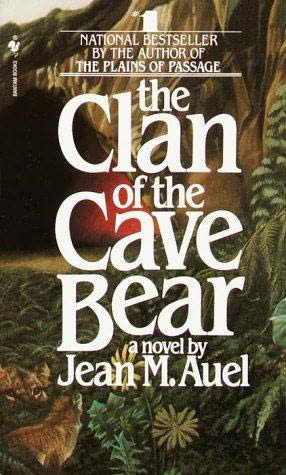
Prehistoric fantasy at its finest!  Thank you, Ms. Auel!

Prehistoric fantasy at its finest!  Thank you, Ms. Auel!

Image:  earthschildren.wikia.com

If you’re writing about Ice Age peoples, then weapons construction is probably okay (most people aren’t going to try to construct a flint ax head or an atlatl).  If you’re writing about bank robbers, as I did, it’s probably not a good idea to include a recipe for the flash-bangs they use during heists, though a savvy redditor or 4chan user could probably find one in about two seconds.

Use research responsibly, folks.

D is for Discipline

atoz [2015] - BANNER - 910


Discipline is a term used to describe an academic field of study.  For example, psychology is a discipline, and history, etc.

How do you narrow down the fields you’ll need to research for a particular work?  You might need to take sips from several glasses.  Some examples follow.

  • Psychology:  The way people act and react in response to various stimuli that I, the author, might decide to torture them with (muwahaha)
  • History:  Setting the book in another period than my own; including events and developments from that period
  • Medicine / biology:  Anything that might affect the character’s health, detail an injury, etc.

What I choose to study will vary for any given work.  Rose’s Hostage required me to learn about bank robbery, police and FBI investigation of that crime, interviewing a witness, and outlaw bikers.

I am SO SICK of talking about this book when you can’t read it.

I am SO SICK of talking about this book when you can’t read it.

Image:  Stuart Miles / FreeDigitalPhotos.net

For Tunerville, I read about ghost hunting, physics (ugh!), a bit of landscaping, and a medical thing I can’t share because I don’t want to spoil a critical moment.

Both books needed a bit more specific input than I could find in books, so I also spoke to experts in the respective disciplines.  I talked to the FBI and to a retired police officer who was also one of my college criminology instructors (one of my favorite instructors overall, in fact).

If this sounds daunting, remember that it isn’t necessary for a writer to become an expert in a discipline in order to write about it.  Some do enjoy studying, however, and it’s possible they find a new interest they weren’t aware of before they began research.

For example, after talking to so many cops, I have developed a serious interest in the quality and variety of available doughnuts.

I’m just kidding.  Relax!  Have one.

I’m just kidding.  Relax!  Have one.

Image: SOMMAI / FreeDigitalPhotos.net

Writers should strive to present details as close as possible to reality to help the reader suspend disbelief.  If you’re writing about firefighters, you may have one as a reader.  He or she is going to know when you get it wrong.

People love learning about protagonists who have unusual jobs as well.  Look at the popularity of shows like Deadliest Catch, a reality program about Alaskan crab fishermen.

Despite this, don’t let the idea of writing about a certain discipline intimidate you.  I had an idea a few years ago that involved mountaineering, about which I know absolutely nothing and probably will never do.  I bought a couple of books about high-altitude climbing.  If I ever write this story, I will most likely have to do it completely vicariously, because I am not physically able to climb mountains.  Plus I’m afraid of heights, so NOPE.

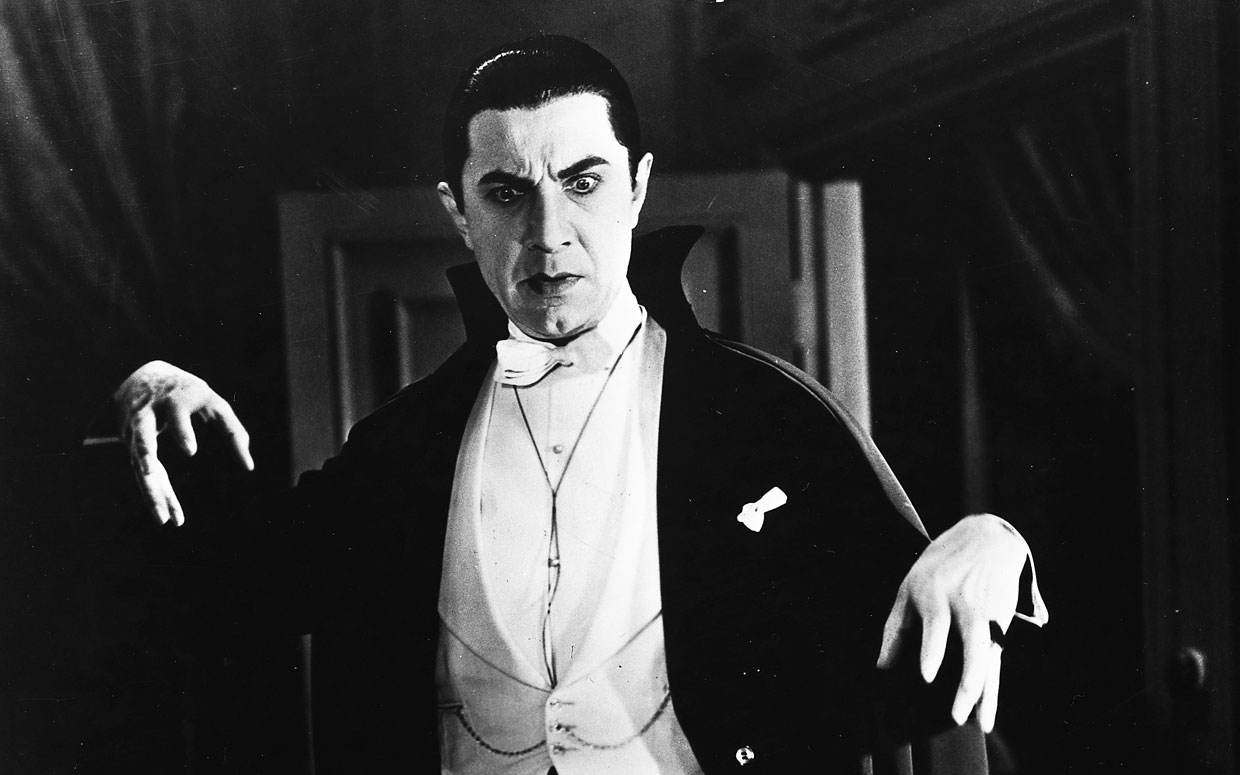
Remember, Bram Stoker wrote Dracula without ever having seen or traveled to Transylvania, and he did it pretty well, too.

Indeed.

Indeed.

Image:  parade.com

C is for Copyright

atoz [2015] - BANNER - 910


Copyright is a tricky area these days.  The last thing you want to do is violate anyone’s copyright if you incorporate your research in your book.

For example, I used an actual thing the FBI has in Rose’s Hostage.  I had permission to mention it, but I could not use the name.  I found the information publicly available on their website, but it’s their name for it.  So I made up a name (no big deal).

Make sure you google company names, product names, etc. that your characters work with.  If it’s too close to a real trademark (or even if it just uses a similar word), you could find yourself in hot water from trademark bullies.

*KOFFgoogleMonsterCableKOFF*

*KOFFgoogleMonsterCableKOFF*

Image:  stockimages/FreeDigitalPhotos.net

Writers and artists should know several important terms about copyright.  The Internet has muddied the waters on this issue to a staggering degree.  Some people think if it’s out there, it’s okay to use it / copy it / claim it as their own.

Plagiarism happens when someone takes material from another person and passes it off as his/her own.  It can occur by failing to cite references, or by pure mean old copycatting.  The latter is so prevalent on the Intertubes that some writers have searches set up to periodically scan the Web for their writing.  This is particularly common in the world of blogging.

I copy your pages.  I is COPYCAT. 

I copy your pages.  I is COPYCAT.

Image:  Jeanne H. / care2.com

The Digital Millennium Copyright Act (DMCA) is a U.S. law that helps content creators by criminalizing measures used to get around digital rights management protections.  It also protects Internet content.  You can read more about it at the link.

People who plagiarize on the Web can be hit with a DMCA takedown notice.  This means that they have to remove the copied material and any false claims of ownership.  If they do not, the copycat could find that his/her website has been taken down.

Fair use allows you to use some material directly from a book or other work, for commentary or academic/scholarly purposes.  For example, you can quote a passage from a book in your essay, or a few lines of dialogue from The Lord of the Rings: The Two Towers screenplay if you’re writing a critique of it.

I never said that. 

I never said that.

Image:  fanpop.com

Make sure you correctly attribute the material you’re quoting, so you don’t run afoul of this permission.

If you put something on your website (even with attribution) and the rights holder asks you to remove it, DO IT.  Again, they can file a DMCA notice and get your website taken down.

And don’t even start on what happens if you plagiarize in your book, and it gets published, and someone finds out what you did.  Just ask Kaavya Viswanathan how humiliating that is.  Even if your career isn’t completely trashed, no one will ever forget what you did.

Some things to remember if you’re doing research that will make it into your fiction:

  • Don’t copy and paste anything. The old-school version of this was copying the encyclopedia entry and failing to cite it in your paper.  Pissed your teacher off and cost you points, but s/he couldn’t sue you for using stuff that wasn’t yours.
  • Make sure, like I did in Rose’s Hostage, that you don’t use trademarked names. Invent some of your own.  Creative writing is supposed to be creative!
  • Avoid accidental copying and make your writing better by skipping the info dump. That’s where a character or narrator suddenly barfs out a whole bunch of expository material into a scene.  Weave it in among the threads of the story so both the characters and the reader find it out at the same time.  In real life, action rarely stops so someone can explain everything.

For more information about copyrights and fair use, see this Stanford University link.

Edited to add:  and this one http://www.copyright.gov/ 

B is for Books


atoz [2015] - BANNER - 910

4/2/15 – I was going to write this post about books — pros and cons of using books vs. the internet, etc., but I thought the subject might be a bit too broad.  You could write a book about that.  Still, I’ll give it a go.

Also, there are tornadoes heading at me tonight, and they are calling for hail TO THE SIZE OF TENNIS BALLS, so this is going to be a short post.

Fuuuuuuuuuuuuuuuu…..

Fuuuuuuuuuuuuuuuu…..

Image:  Wide World Magazine, 1898 / Wikimedia Commons

4/3/15 – UPDATE:  Good news; no hail.  My car is fine.  Whew!  Sorry I’m late with this post.  It’s that time of year again.

You may wonder why anyone would use books for research these days.  You might even ask:

“Why can’t I just go on the internet and find research?”

Well, you can, and there’s a lot of material out there, both accurate and not (I’ll deal with checking that in a later post).  You can download books to e-readers and read bits of books or even entire works online.  The latter might be old, but they could still provide value, especially if you’re doing historical research.

Sometimes, you have to use a book.  If you do, plenty of students, teachers, writers, and readers have offered tips for doing so.

If you need to find an obscure book, the internet can often do that.  I found a library book I’d read in high school without knowing the title or the author.  Ain’t modern technology great?

When it works.

When it works.

Image:  Phaitoon/FreeDigitalPhotos.net

You can even ask the librarian to do a book search for you.  Yes, the library will do this–it’s a thing.  A very cool thing.  Make sure you return it on time, however, so others can use it too.

“What if I don’t have time to read an entire book?”

Funny you should ask!  I found this terrific article on how to skim through a book for research purposes.  This will help me out a lot.  I use sticky notes all the time in books, the small thin ones, to flag pages.  I wish like hell I’d had this article at my fingertips during college.

You might not have to.  A chapter or two might fulfill your needs, especially if the book has very clearly delineated sections.

“How do I cite the book in my bibliography?”

Depends on what style you’re using.  Writers use APA (American Psychological Association) style for social sciences papers.  They use MLA (Modern Language Association) for liberal arts and humanities.

So your childhood development class professor will ask you to use APA, and your English professor may ask you to use MLA.  For other types of publications, your editor will probably prefer the Chicago Manual of Style.

Go to this link at Purdue University’s OWL (Online Writing Lab) for APA-style citations.

Here’s another OWL link for MLA-style citations.

And this one for Chicago Manual of Style citations.

If you’re smart, you’ll bookmark the OWL site—it’s wonderful.  I know you’re smart or you wouldn’t be here.  Ha!

One of us….one of us….

One of us….one of us….

Image:  basementrejects.com

So there you have it.  Books can be a huge help when you’re researching, and they’re usually pretty interesting on their own.  But I don’t have to tell YOU that–you’re all great readers, aren’t you?

If you haven’t been to the library for a while, check it out.  Even if you don’t have a research project to do, you might find a book that will spark an idea, or even a new interest.  And you’ll support your local library.  It’s a win.

A is for Absorbed

atoz [2015] - BANNER - 910

I apologize for not getting this posted sooner — I meant to write it last night and post it today, but I had such a busy day at work that I was too tired to type.  But month end is over (yay!) and now I can get on with it.

To be absorbed is to be completely occupied mentally with or concentrating on something.  You can be absorbed in a book, engrossed in a TV show, or captivated by a storyteller.  You can become absorbed in a work task.  A typical experience includes a lack of awareness of things happening around you, or a distraction that goes on and on and on until you look up and wonder, “How did it get so late?”

Internet addiction is a thing.  

Internet addiction is a thing.

Image:  bplanet/FreeDigitalPhotos.net

That’s one of the dangers of research — it can absorb you.  It can happen over time as well, not just in one sitting.  For example, I did a lot of reading when trying to authenticate miniatures I planned, in both dolls houses and room boxes.  Along the way, however, I learned about lighting, architecture, period-appropriate technology for historical reproductions of interiors, and the history of miniatures themselves.

Some people spend oodles of money on this hobby.  I don’t have oodles of money.  I just have oodles of used books about it.  And oodles of little tiny things I haven’t found a home for yet.

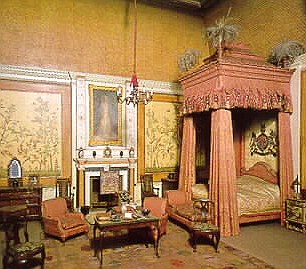
Example of the kind of decorative artistry being a trust fund baby --or a princess-- can net you.

Example of the kind of decorative artistry being a trust fund baby –or a princess– can net you.

Image:  dailymail.co.uk

That’s not a real king’s bedroom; it’s a room in Queen Mary’s dolls house.  Seriously.  Check out the link.

On the other hand, I quite enjoy becoming so fascinated with a subject that I slightly obsess over it.  I have a dear friend who does the same thing.  He gets captivated by something and we all end up hearing about it for days on end.  I believe, however, that this enriches his life.  I’ve certainly learned a thing or two when he shares his discoveries.  In that way, it enriches mine.

For Rose’s Hostage, I became slightly obsessed with bank robbery.  I read about it, subscribed to the FBI’s emails (including their periodic statistical reports about this particular crime), and devoured information about famous robbers and incidents.

For Secret Book, it’s a number of things I’ve already mentioned in previous posts.  And for Tunerville, I read a lot about ghost hunting.  The rest I pretty much made up, except for a few conversations with a physics professor and a medical professional.

It sounds fun, but as I mentioned earlier, you must take care to avoid letting the research take over.  Though I have begun several, I have never finished even ONE dolls house or room box.  See what I mean about dangerous?

If I indulged myself like this while trying to write a book, nothing would get done.  I have actually had to force myself to finish a story even if I’m uncomfortably hazy on the details.  This is not the time to be a perfectionist.

Mental paralysis is also a thing.

Mental paralysis is also a thing.

Image:  Stuart Miles/FreeDigitalPhotos.net

TIP

Just write the damn thing and fill in the details later, silly.


So do your research, but leave time to do your work as well.  Otherwise you may look up and find that the story has passed you by.

The Blogging from A-Z Challenge is Upon Us!


atoz [2015] - BANNER - 910

A is for Ad-lib

APRIL FOOL!  The Challenge hasn’t started yet.  I won’t have time to prank you then.

Ad-lib is short for ad libitum, a Latin term meaning “at liberty,” or “at one’s pleasure.”  In theater or film, the term refers to making up lines as you go with no set script (alt. extemporize, or improvise), or adding lines / business that weren’t scripted.

Just so you know why I picked this word for the game plan post, I AM AD-LIBBING THIS A-Z CHALLENGE.

I AM MAKING THIS UP AS I GO ALONG.

I HAVE NO IDEA WHAT I AM DOING.

I only know how to do research as if I were at university.  I did a crap-ton of it for Rose’s Hostage, but that hardly makes me an expert.  I was flying by the seat of my pants there too.

Not as well-practiced as this fellow.

Not as well-practiced as this fine fellow.

 Image:  circuswarehouse.com

In this year’s Blogging from A-Z Challenge, I will give you a glimpse into one less glamorous side of writing, researching.  I’ll try to make it fun, but I can’t promise anything.  Since I’ll be in London for the latter half of the Challenge, both researching and hanging with my soundtrack nerd peeps, I might have a post or two outside the Challenge about those experiences.

Disclaimer:

This is MY process only.  I can’t speak for anybody else out there and I’m probably doing many things wrong, so please don’t use my haphazard work as a professional or academic guideline.

How does it go?  Most often, I start with reading.  I google whatever I want to research and look for authentic sources and then read until my eyeballs bleed.  Those sources may consist of books, websites, and multimedia including videos or audio recordings.  In olden times, before the Internet machine had become a thing, I went to the library a lot.  Now, especially since I have a faster connection (yay!), it’s all about Google.  Whom I’m sure has a rather extensive file on me.

“Search history…hmm.  Carry-on packing tips, death by exsanguination, spring recipes, hair braiding videos, how to make things happen with your mind, gas bombs, 1960s Britain.  WHAT THE HELL IS SHE DOING????” 

“Search history…hmm.  Carry-on packing tips, death by exsanguination, spring recipes, hair braiding videos, how to make things happen with your mind, gas bombs, 1960s Britain.  WHAT THE HELL IS SHE DOING????”

Image:  imagerymajestic/FreeDigitalPhotos.net

While reading, I make copious notes.  I have about six million bookmarks and I often save particularly important pages as PDF files, just in case the website goes down (and so I can work offline if needed).

A few books for Secret Book that I’ve ordered/used/plan to read/stare at bleakly as I become overwhelmed with all I have to do include:

  • Hutchinson Encyclopedia of Britain (Helicon history) by Gale Group.  Word on the Water actually had this one when I visited their lovely book barge in October, but I knew it wouldn’t fit into my suitcase, so I had to order it from Amazon UK.  Sorry, guys!

Websites:

OMG I am not going to list them all.  You will die. I do not want you to die.  I also don’t want to spoil anything.

If you’re wondering why some of the books come from Amazon UK, it’s because I couldn’t find them anywhere else.

TIPYes, you can have a UK account if you’re in the US, but you have to use a different email from the one you use for your US account.  Remember the exchange rate.  You can set your account to show your total in USD instead of GBP currency so you know how much you’re spending.

And don’t order Kindle books from there if you want to keep your device tied to your American account—if you do, they’ll wipe it.  The UK books are all hard copies.

Watch for the little orange TIP icon throughout the series–it will alert you if I have something tricksy to pass on.

I still have a loooooooooooong way to go before this book is viable.  And I still have to finish the damn thing.  Along with working, traveling, researching, and pursuing those personal goals.

Overwhelmed with Too many tasks

Image:  marcolm/FreeDigitalPhotos.net

I can do it.  Along the way, maybe you and I both will learn a few things.

Stay tuned for the A-Z Challenge!

Secret Book and Self-Publishing

I am slowly crawling out from the cocoon of heartbreak and back toward my Secret Book manuscript.  However, I’ve reached an impasse that has held up the story somewhat.  The road has two forks, and I need to go down both of them.

My attempt to brave the first fork has shown that my research into the period and especially the English setting is sorely lacking, to the point that it’s holding me up.  I’ll be in London again in two months, and I want to spend much of my time there doing research.  So I’m making plans to organize where and when and who and how.

If I finish the book and it sells, I can write off the whole trip! 

If I finish the book and it sells, I can write off the whole trip!

Image:  Arvind Balaraman/FreeDigitalPhotos.net

The second fork led right back to Heartbreak Hotel (I should just buy real estate on Lonely Street, seriously).  I couldn’t write the lovey-dovey part of the book because it’s been so long since I’ve been happy in a new relationship that those scenes are coming off wooden and stilted.  I can’t tap into those emotions right now, even in my imagination.  That realization made writing them and listening to the book’s Einaudi playlist exquisitely painful.

Shit like this all over Facebook right now does not help.

Starring everyone I’ve ever known and a bunch of stupid celebrities I don’t.

Starring everyone I’ve ever known and a bunch of stupid celebrities I don’t.

Image:  mashable.com

So I’ll take First Fork Road for now.  (And I’m listening to Einaudi again, which is a good sign, I suppose.)  Meanwhile, stuffs be happening:

  •  This research and preparation will take time.
  • I’m embroiled in trying to retrieve my Rose’s Hostage critique.  Things are not going well at the moment.  Hint:  if you pay someone to do a critique or editing, get a turnaround time in writing.  In the meantime, a chapter rewrite I thought of on my own looms.
  • I’m still querying agents about Tunerville (more on that shortly).
  • I’ve entered a story in literary magazine Glimmer Train’s New Writers competition.

This past weekend, I attended VisionCon with my Whovian friends.  I went dressed as Donna Noble in an outfit very similar to this one:

I’m not linking to who Donna Noble is.  Go watch Doctor Who on Netflix, you godless heathen!

I’m not linking to who Donna Noble is. Go watch Doctor Who on Netflix, you godless heathen!

 Image:  bbcamerica.com

I clipped a small adipose plush to my jacket just in case no one realized who I was supposed to be, but everyone got it and a couple of people even wanted to snap a pic.  So my first cosplay ever was a success.

While I was there, I attended a panel on traditional vs. self-publishing hosted by horror/fantasy authors Ben S. Reeder, JM Guillen, and EM Ervin.  All three of them are self-pubbed; only Ben Reeder has gone through traditional publishing.  EM Ervin’s book had only been out for two weeks when they had the panel–I could totally relate to her excitement.

Overall, the three writers were in favor of self-publishing.  Guillen said he had never gone for the regular method.  Reeder told the audience that you certainly do not get much money from traditional publishing–advances have shrunk to ridiculous amounts, especially for first novels.  I knew this already, so no surprise there.

Don’t quit your day job just yet. 

Don’t quit your day job just yet.

Image:  graur razvan ionut/FreeDigitalPhotos.net

Reeder and Guillen both said that while the slush pile and queries are still a thing, agents have a new tool to find writers–they go online and see what is selling.  And according to Reeder, whom I spoke with the next morning on my last pass through the dealer’s room before heading home, you can make a living this way, if your sales are decent.

I have my doubts about that last, but they definitely gave me something to think about.  I’ve been avoiding self-pubbing for several reasons:

  • It still has a shitty reputation, because anyone can do it. And anyone does.
  • It costs money.  Even if you avoid vanity publishers and publish on Amazon Kindle Direct Publishing for free, if you want even a hope of having a decent project, you still have to shell out for a competent editor and hire a book cover artist.  All three of the panel hosts agreed these two things are absolutely vital.
  • It requires you to do ALL the work.  While traditional publishers these days put authors to work flogging their books, with self-published books the onus is on you.  All of it.
  • It lacks the one thing traditional publishing gives you that nothing else can, according to Reeder: legitimacy.

This last is why I do not want to self-publish Rose’s Hostage or Tunerville.  I’m still querying the latter.  I got a rejection this week that said the query sounded interesting, but that the agent in question was inundated with work and not taking on new clients.  Maybe it was a form email, and maybe not.  It’s difficult to tell sometimes.

You will not see any self-published books at Barnes and Noble, unless they’ve been picked up by one of the Big Five, and that is very, very rare.  Still, it does happen.

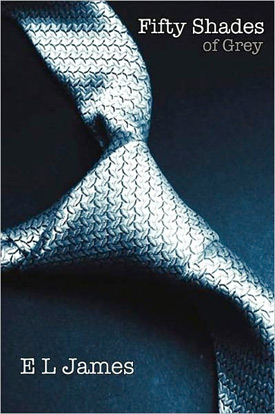
You too can write a masturbatory fantasy and have it become a media darling.

You too can write a masturbatory fantasy and have it become a media darling.

Image:  Wikipedia.com

I want that legitimacy.  It’s like getting instant street cred.  If I get it, I will have passed the initiation; industry professionals will have declared my book worthy, and I’ll become one of the club.  For me, right now, self-pubbing is not going to happen with those two works.

I thought–and I keep thinking–that it might be a good way to offer something shorter than a book to you, my readers.  Because I feel bad that you haven’t got anything besides this twit of a blog to read.

What do you think?  If you would like me to put some stories up, let me know in the comments.

Vocabulary – V is for, well, Vocabulary!

Today’s vocabulary letter is V!  V is for vapid, vegan, and Voldemort.  Whoops, I shouldn’t have said that last one—someone’s knocking at the door.

Looks like he’s busy--I’m safe for now.

Looks like he’s busy–I’m safe for now.

Image:  potterforums.com

Let’s begin!

Vagary – unpredictable, wild, erratic action or quality.

Vacillate – go back and forth, as with a decision.

The Doctor vacillated on whether to go immediately to the Sticky Planet or stop in London first for a pair of wellies. 

Vellum – calf, lamb, or goatskin treated for use as a writing surface.

Come near me with that quill, and I’ll show YOU a surface. 

Come near me with that quill, and I’ll show YOU a surface.

Image:  wisegeek.com

Verdigris (VUR-di-grees) – the green or blue coating you see on copper, brass, or bronze. It can result from exposure and consists of poisonous copper carbonate, copper chloride, or copper acetate.

If you visit the Statue of Liberty, don’t lick it.

If you visit the Statue of Liberty, don’t lick it.

Image:  Elcobobbola / Wikimedia Commons

Vicarious – received in place of another; experienced via imaginative participation.

Viviparous – producing live young.

“I believe this alien is viviparous,” Scully said at autopsy, peering intently into the body cavity and ignoring Mulder’s retching.  “I see evidence that it’s given birth.

Vouchsafe – to allow or give by favour or graciousness.

Vorticose – like a vortex; whirling.

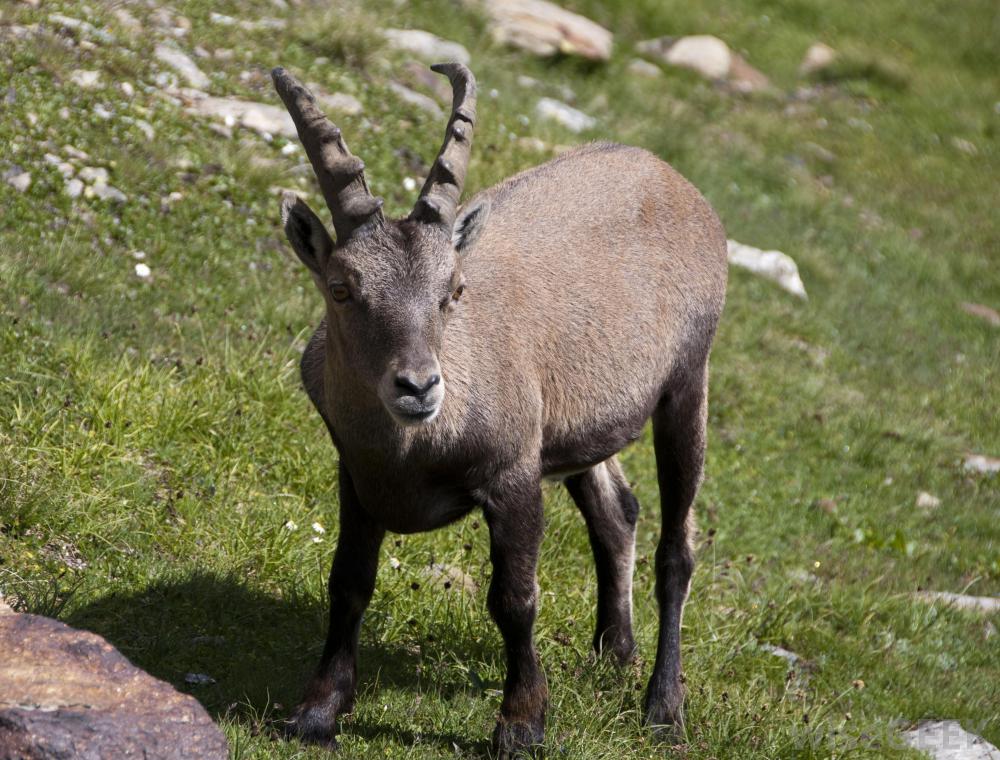
Vulpine – foxlike or pertaining to foxes.

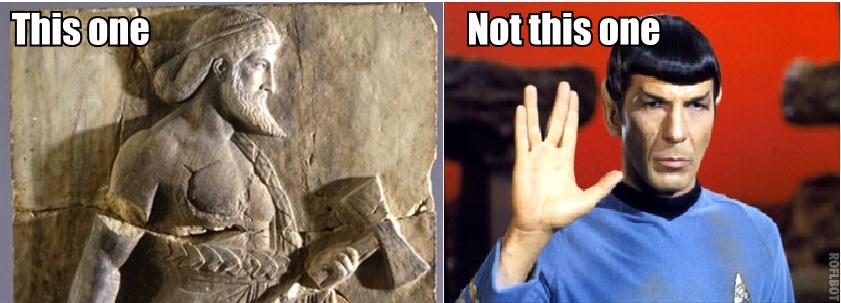
Vulcanology – the study of volcanoes.  From Vulcan, the Roman god of fire.

Vulcans

Images:  museumvictoria.com and startrek.com

Vying – competing.

Buffy’s hand rested comfortably on Mr. Pointy.  She knew she could defeat all the vamps who were vying for a chunk of her slender neck. 


Book Updates – [Insert catchy subtitle here!]

You might have noticed that the Secret Book meter hasn’t been moving much lately.  In fact, at all.

Yes, I’m stuck.  No, there is nobody to pull me out.  I have to do it myself.

Oh, bother….

Oh, bother….

 Image:  video.disney.com

 Not indefinitely; I just hit a character snag and I’m trying to work it out.  I don’t think that meter is the greatest anyway; it doesn’t show progress as well as I’d hoped.

The stuck isn’t all book-related, unfortunately.  I’ve been rather distracted by several stupid things lately.  A writer friend posted this Salon article by Ann Bauer and now I’m even more bummed.

Read it; I’ll wait.

Done?  That article hurt.  I know if I work hard, I have a shot, but sometimes it seems like a longer shot than I ever anticipated.  And to be totally honest, at this exact point in my life, getting a book published has not been my main goal.

That’s a family, in case you thought I just wanted to learn papercraft.

That’s a family, in case you thought I just wanted to learn papercraft.

Image:  jannoon028/FreeDigitalPhotos.net

I’ve tried everything to find someone like this, to no avail (yet).  In my medical writing class, we were given an assignment to make up our own medical term.  This was mine:

Cardiorrhexisopathy:  A process where the patient persistently falls in love with the wrong damn man, causing the heart to break repeatedly.

Cardi/o—heart
rrhexis/o—rupture or burst
pathy—disease (negative term)

Yes, I do suffer from this condition.  Apparently, the only cure is marrying the right person, but so far, the subject of this research has proved elusive.  It’s almost too late for the kid thing (but not yet), so the universe better get cracking.

Somehow, I’m sure I’ll end up with this one.

Tunerville news:

Three queries out, and one rejection from a publisher.  Bummer.

Rose’s Hostage news:

Serious kid

Image:  David Castillo Dominici/FreeDigitalPhotos.net

Secret Book news (yeah, I know I talked about it earlier):

I’m not that far from the end of the first draft.  Some scenes need a great deal of research, however, and they will end up lightly sketched until I can finish that.  The tough part has been writing about the development of a relationship.  I’ve almost forgotten what that feels like.  I keep telling myself, it’s a first draft, dummy; just write down what happens, and you can rewrite it later when your heart doesn’t resemble a pigeon smashed into the pavement by a passing car.

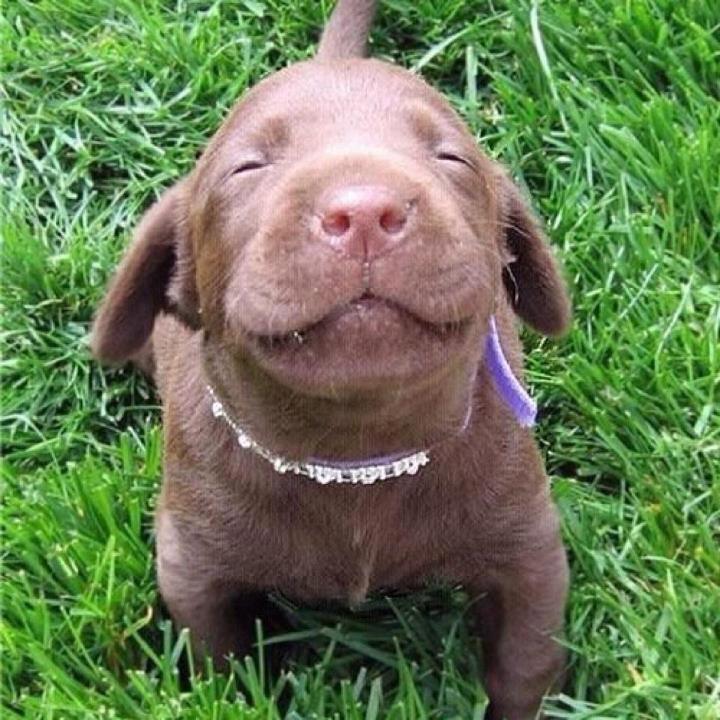
No illustration for that, so here is a picture of a smiling puppy instead. 

No illustration for that, so here is a picture of a smiling puppy instead.

Image:  ilovebabyanimals.com

Some of the research has been tedious, and other things fun.  I signed up for the Doctor Who class at Syracuse University, where my homework is watching numerous episodes of Doctor Who online and then discussing them.  I don’t get any credit, so I don’t realy have to do anything.  It’s perfect!

Since the show was created during the exact period my book is set, it has helped me get into the mindset of that era.  I also follow a page on Facebook called Old Photos of London and the East End.  Other followers post reminisces in the comments, which often yield tiny tidbits that may be useful.

I still need to make a plan for further exploration when I return to London in April.  I’d like to make the most of the time, because I’m only going for a week.  You may not get a post then unless something very cool happens.


Hmm, if I sneak into St Paul’s Cathedral and claim sanctuary, would they let me stay forever?

Image:  Nickopol/Wikipedia.com

I’ll be back soon with another vocabulary post.  We’re nearing the end of that series.  If you have any ideas for another you’d like me to do, let me know in the comments.


Vocabulary – U is for Universe, which is being a b*tch right now

Today’s post is brought to you by the letter U.  U stands for unit, ukulele, ugly, and universe.  I’m not speaking to that last one at the moment.  If the universe were a significant other, it’d be sleeping on the couch.

Shall we begin?

Uakari – a New World monkey with a short tail.  This little guy lives in the Amazon Basin.

“Margaret, I told you to bring the sunscreen, but you just wouldn’t listen, would you?”

“Margaret, I told you to bring the sunscreen, but you just wouldn’t listen, would you?”

 Image:  Eugenia Kononova/Wikipedia.org

Ubiquitous – a state of being in which a thing exists everywhere all the time or is very common.

Hamish noted the ubiquitous presence of idiots on the internet, as evidenced by their constant trolling. 

Ubiety (yoo-BUY-i-tee) – a condition in which you are in a particular location.  From the Latin ubi (where).  I cannot think of a reason why I would use this word with any regularity.

Udo (OOH-doe) – Japanese word for the Aralia cordata plant also known as “Sun King” or mountain asparagus (parts are edible).  Native to Japan, Korea, and eastern China.  Grown in Western countries as an ornamental perennial.

In your garden, throwin’ some shade.

In your garden, throwin’ some shade.

Image:  whiteflowerfarm.com

Udder – you know what this is.  Do I really have to tell you?

That’s udderly ridiculous!

That’s udderly ridiculous!

Image:  funnypica.com  

Ufology – the study of UFOs, or unidentified flying objects (flying saucers).  Widely regarded as a pseudoscience.

Ugsome, Scotland, Northern UK – loathsome, ugly, disgusting, or offensive.  (Dear Scottish friends–is this even a thing?  If so, I love it.)

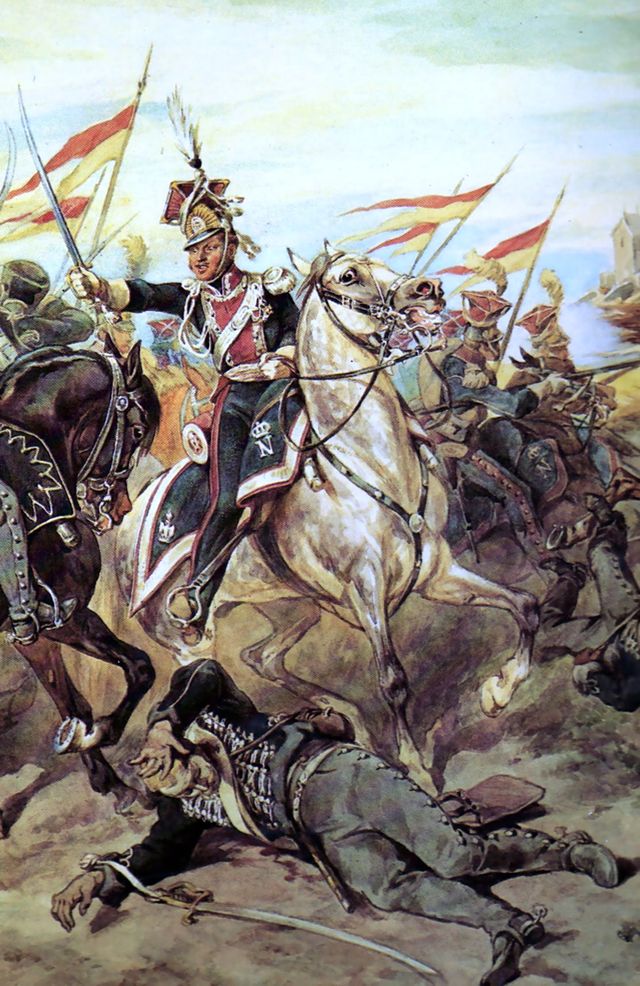
Uhlan, German – a light cavalry unit armed with lances and sabers, first seen in Polish armies (in Polish, ulan).  Might be an interesting subject for historical fiction.  I put in a link to the word on Wikipedia because they’re kind of fascinating.

See, totally badass. 

See, totally badass.

Image:  Juliusz Kossak/Wikipedia.org

Uintaite (yoo-IN-tuh-ite) – No, really.  A very pure asphalt mined in the Uinta Mountains of Utah and used to harden soft petroleum products.

Not to be mistaken for licorice. 

Not to be mistaken for licorice.

Image:  gilsonit.com

UK – abbreviation for United Kingdom.  The United Kingdom consists of England, Scotland, Wales, and Northern Ireland.  You do not need to write it with a period (full stop in British English) after each letter.

Ukase (yoo-KASE), Russian – an edict by the czar or autocratic government that held force of law.

Ultima – the last syllable of a word.  Or a Final Fantasy spell.

Ululate – to howl shrilly or produce a trilling sort of wail.

Here’s a ululation:

Here’s another one (this used to scare the shit out of me as a little kid):

Umlaut (OOM-lowt), German – those two dots placed over a letter; shows altered pronunciation.  In German a, o, and u may have the umlaut:

  • ä becomes eehhh.
  • ö sounds like uhhr.
  • To pronounce the ü with an umlaut, you purse your lips into a tight O and say oo.

 “Yes, mein Führer,” said the commandant. 

(Note:  I’m using this example because everybody knows how to pronounce this.)    

Umbrage – offense, displeasure.  To take umbrage is to become offended by something.

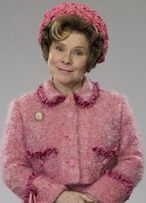
The ultimate Umbridge (get it?)  ;)

The ultimate Umbridge (get it?)  ;)

Image:  harrypotter.wikia.com

Unbosom – No, this does not mean to let your girls out of their cage.  It means to disclose or unburden yourself of thoughts and feelings in confidence, such as during a weepy post-breakup sesh with your BFF.

Ungoliant – a being in the Tolkien universe in the shape of a great spider (arggh!).  Mother of Shelob, who tried to eat Frodo and was thwarted by Samwise after Gollum took him up the steps of Cirith Ungol in The Return of the King.

If you understood that last sentence, you are awarded one nerd point.  If you did not, shame on you; at least watch the Lord of the Rings films.

Oh dear God.

Oh dear God.

Image:  lotr.wikia.com

Upbraid – to reproach someone; tell them off severely.

Giles upbraided Buffy for going into the vampires’ nest alone and without Mr. Pointy. 

Upwind – where you want to be standing when someone farts.

Urticaria – a rash caused by an allergic reaction; what you get when you touch poison ivy, oak, or sumac.

Leaves of three; let it be!

Leaves of three; let it be!

Image:  fcps.edu

Ursine – of, like, or pertaining to bears.

Usurp (yoo-SURP) – to seize by force, take without a right to do so.

“Well, that’s unfortunate,” the Doctor said. “Apparently, on this planet, landing the TARDIS directly on the throne is interpreted as an attempt to usurp it.”

Usury – the practice of lending money at batshit crazy interest rates (illegal and unethical).

Who you callin’ unethical?!

Who you callin’ unethical?!

Photo: Rex Features via telegraph.co.uk

Utopia – an ideal society, one that is nearly perfect.  Think Federation planets such as Earth in Star Trek: The Next Generation, upon which poverty, hunger, and war had been eliminated.

Utilize – a fancy way to say use.  Which I hate.  HATE HATE HATE THIS WORD.  Mark Twain, a fierce proponent of plain language, is supposed to have said, “Don’t use a five-dollar word when a fifty-cent word will do.”

Uvula (yoov-yoo-lah) – also known as the hangy ball!  It’s that little thing that hangs down in the back of your throat.  Nobody is quite sure just exactly what the uvula does.  I couldn’t find a picture of one that wasn’t gross, so here is a picture of a kitten in a sweater instead.

cute-kitten-knitted-sweater

Image: neatorama.com

That’s all we have time for today, boys and girls.  I must go read some tomes I got from the library that pertain to Secret Book.  Or eat something; I just realized I forgot to do that.  See you next time.